
Top tips for reducing your waste
In the UK, we generate around 26 to 27 million tonnes of total household waste annually and recycle roughly 45% of it. Take a look at these tips to see if there's anything you can do to help:
- Use your kerbside or scheme recycling (usually run by your district or borough council).
- Use your local household waste recycling centre which will accept bulky items – for more tips on bulky waste items click here
- If you can afford to pay a bit more for better quality electrical items you may find they last longer and are more energy-efficient
- Your local charity shop may take clothes, books and bric-a-brac. Some charities provide envelopes for the return of ink cartridges and phones
- Avoid signing up to junk mail or postal magazines – this could also save you the cost of monthly subscriptions
- Sell items you no longer need on sites like eBay, Depop, Vinted and Facebook marketplace. You can pass on unwanted items for free at some websites
- Why not try washable nappies, wipes or sanitary items. They can save you lots of money and help the environment too
- Reuse plastic containers and bags to store and carry items
Myth busting
Recycling uses more energy than it saves - NOT TRUE
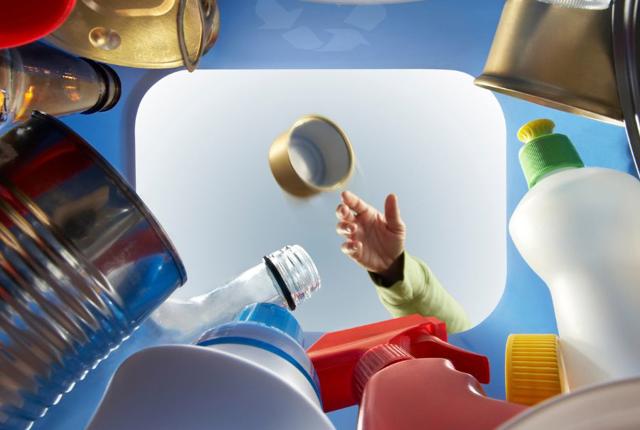
Up to 95% less energy is needed to make products using recycled materials. Your recycling helps to save valuable resources and protect the environment for our future.
Tackling food waste
Around a fifth of the food we buy is wasted, much of which could have been eaten. Food waste costs the average UK household hundreds of pounds every year, with larger families typically losing even more.
Many of our homes will now have a local authority food waste bin but we can still cut down on food waste and save money:
- Buy loose fruit and vegetables instead of pre-packed. That way you'll only pick up the amount you need and it cuts down on packaging waste too
- Freeze foods before they pass the use-by date and freeze leftover extra portions for quick and easy meals later on
- Plan in advance and make a list or meal plan for the week ahead. Your shopping trip will be easier and you're more likely to only buy what you need saving you money in the long run
- Use what you have left over in your cupboards, fridge and freezer
- Cook from the cupboard – with canned and dried foods in the cupboard and some fridge and freezer basics, you can pull together a quick meal to make the most of any leftovers.